
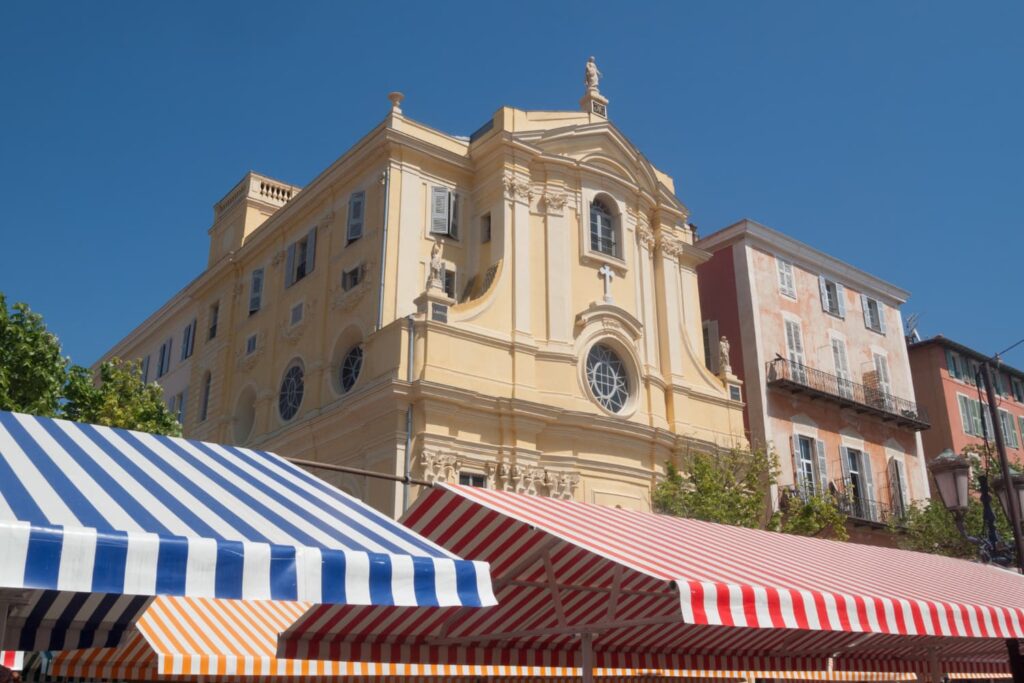
Nice is packed with colourful markets where you can taste Provençal flavours, meet local producers, and feel real Niçois life beyond the postcard views. If you are wondering where the best markets in Nice are, start with Cours Saleya and Libération, then add a couple of smaller neighbourhood markets for a deeper, more authentic experience.
This guide walks you through the top markets in Nice, what each is best for, when to go, what to eat, and how to experience them like a local rather than just snapping a few photos.
Quick answer: the best markets in Nice
- Best all-round market for first-timers: Cours Saleya Market (Vieux Nice)
- Most authentic local food market: Marché de la Libération
- Best for flowers and Provençal products: Cours Saleya Flower Market
- Best for antiques and vintage finds: Cours Saleya Antiques Market (Mondays)
- Great local neighbourhood markets: Gambetta, Saleya’s evening craft markets in summer
These are the markets that combine atmosphere, local produce, and easy access, making them ideal for a short visit or a dedicated food-focused stay.
Market snapshot: which one is right for you?
Best markets in Nice at a glance
- Cours Saleya: Iconic market in the Old Town, very photogenic, great for first-time visitors, flowers, fruit, and ready-to-eat snacks.
- Libération: Large, local, and food-focused, with serious produce and fish; best for feeling like a Niçois.
- Monday antiques at Cours Saleya: For vintage lovers, brocante and collectibles in a beautiful square.
- Smaller local markets: For a quieter, everyday feel and fewer tourists.
Think of Cours Saleya as the “gateway” market, and Libération as where you go once you want to experience Nice like a local.
If you want to combine these markets with other Riviera highlights, you can also explore our guide to luxury travel on the French Riviera (internal link 1).
Cours Saleya Market (Vieux Nice)
Why Cours Saleya is famous
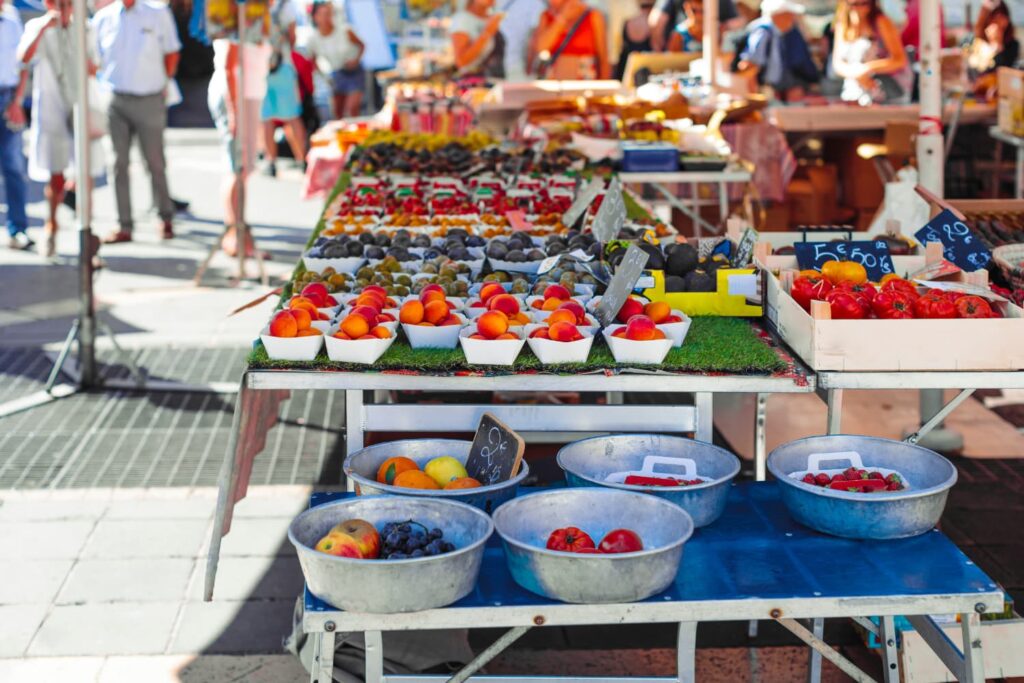
Cours Saleya is the wide pedestrian street just behind the seafront in the Old Town, lined with colourful buildings, cafés, and awnings. In the morning it fills with stalls selling fruit, vegetables, local products, spices, and snacks, making it one of the most photographed spots in Nice.
This is the best market in Nice for a first visit because it combines atmosphere, convenience, and a wide variety of things to see and taste in one place.
For more practical information about the area, you can consult the official Nice Côte d’Azur tourism website (external link 1).
What to buy and eat at Cours Saleya
Look for:
- Seasonal fruit from Provence and the Riviera
- Olives, tapenades, and olive oil
- Dried herbs and spices from Provence
- Local sweets and candied fruit
- Socca (chickpea pancake) from nearby snack stands
- Pissaladière (onion tart) from local bakers
If you want to avoid feeling like you are in a purely touristy market, go earlier in the morning and focus on stalls where locals are buying rather than only where cameras are pointing.
When to visit Cours Saleya
- Morning market: Generally open from early morning to early afternoon (arrive before 11:00 for the best experience)
- Flower market days: Most days except Monday
- Antiques market: Monday (no regular food market that day)
Midweek mornings are usually more relaxed than Saturdays or peak summer weekends.
Marché de la Libération: the most authentic food market in Nice
Why Libération is the favourite of locals
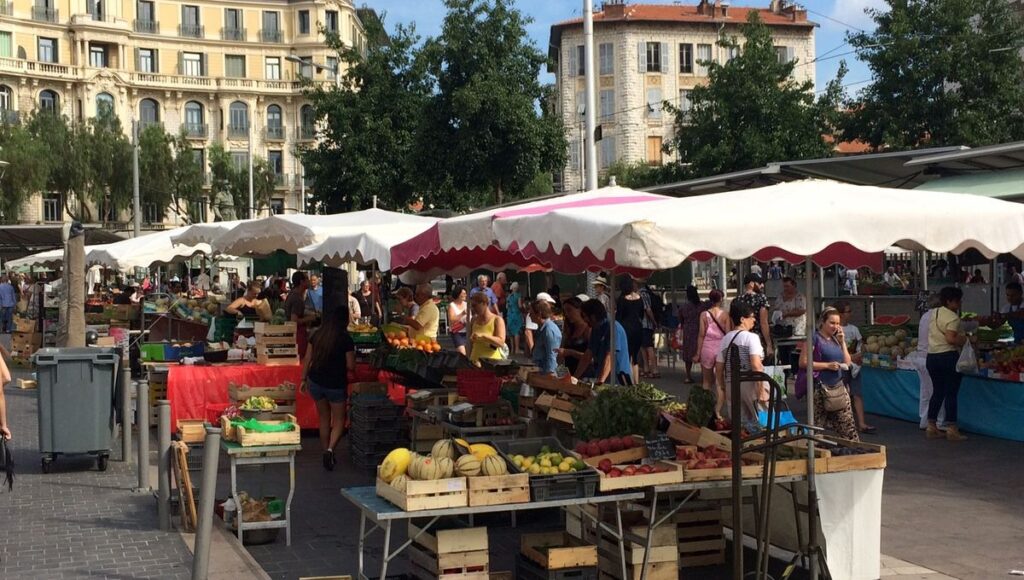
If you want to see where Niçois residents actually shop, head to the Libération market, a short tram ride from the centre. The atmosphere is more everyday life than postcard, with stalls spilling around Place du Général de Gaulle and a covered hall for fish and meat.
This is where you find serious produce: fresh seafood, local cheeses, seasonal vegetables, and lots of regional specialties.
What to look for at Libération
- Fresh fish and seafood from the Mediterranean
- Local goat cheeses and aged cheeses
- Tomatoes, courgettes, aubergines, and other Provençal vegetables
- Seasonal specialties (figs, cherries, wild mushrooms in season)
- Rotisserie chicken and ready-cooked dishes
Libération is also surrounded by cafés and bakeries where you can sit down with a coffee and watch market life unfold.
When to visit Libération
- Mornings: Arrive between 8:00 and 11:00 for the liveliest scene and freshest produce
- Weekdays: More “everyday local”
- Saturdays: Busy, energetic, great if you like crowds and bustle
If you only have time for one market and your priority is authentic food, Libération is often the best choice.
If you are staying in town, pairing Libération with a curated route from our Nice city experiences can give you a full day of food and culture (internal link 2).
Cours Saleya Flower Market and Antiques Market
Flower market: colours and scents
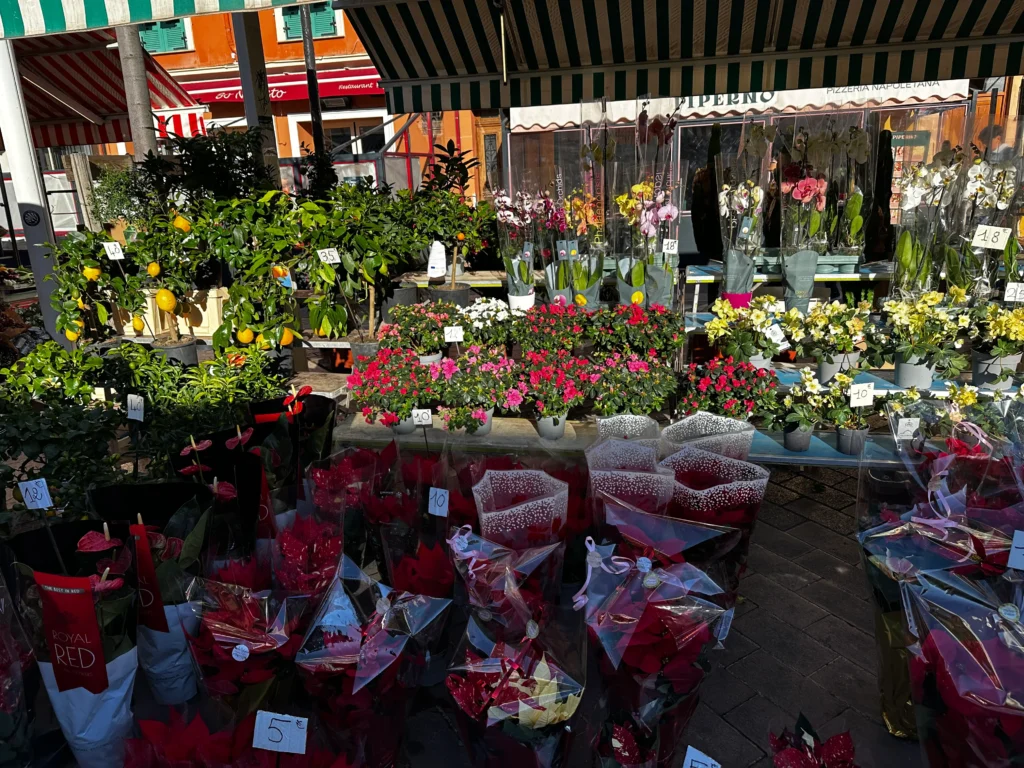
On most days, part of Cours Saleya becomes a flower market, with stalls full of cut flowers, bouquets, plants, and small gifts. The colours and perfume make it one of the most charming parts of the city, and it is popular both with locals and visitors.
This is ideal if you enjoy photography, want a small souvenir, or simply like wandering through a sea of colour.
Monday antiques and brocante
On Mondays, the food stalls disappear and the whole Cours Saleya turns into an antiques and flea market. You can find:
- Vintage household objects
- Old posters and prints
- Furniture and decorative pieces
- Books, records, and curiosities
It is a great opportunity to bring home something more original than a keyring or fridge magnet and to see another side of Niçois life.
Smaller neighbourhood markets in Nice
Why visit smaller markets
Beyond the big names, Nice has several smaller neighbourhood markets that offer a quieter but very real view of local life. They are less polished and less busy with tourists, which can make them perfect if you prefer a slower pace.
These smaller markets are best if you are staying in Nice for a few days and want to explore neighbourhoods beyond the Old Town.
What to expect
- Fewer stalls but more regular local customers
- Everyday fruit, vegetables, cheese, and meat
- Lower prices than in the most touristy areas
- A chance to interact with stallholders in a more relaxed way
If you are interested in a truly local angle, combining a major market like Libération with a neighbourhood market works very well.
For broader context on markets and local products in France, you can also check France.fr for national-level inspiration and background (external link 2).
What to eat in Nice’s markets: local specialities to try
Classic Niçois foods to look for
As you explore Nice’s markets, keep an eye out for:
- Socca: Thin chickpea pancake, usually cooked in a wood-fired oven and best eaten hot with black pepper
- Pissaladière: Caramelised onion tart with anchovies and olives
- Pan Bagnat: Traditional Niçois sandwich with tuna, vegetables, olives, and egg in a round bread
- Farcis Niçois: Vegetables stuffed with meat and herbs
- Local olives and tapenade: Perfect with bread and cheese
These dishes are a simple way to taste the region’s flavours without needing a formal restaurant booking.
How to build an impromptu picnic
One of the best ways to enjoy a Nice market is to pick up:
- A loaf of good bread
- Cheese (ask for something local, like a goat cheese)
- A small pot of tapenade or olives
- Seasonal fruit
- A ready-to-eat savoury snack
Then walk to the Promenade des Anglais, the Colline du Château park, or a quieter square and enjoy a relaxed picnic.
When is the best time to visit Nice’s markets?
Time of day
- Early morning: Best for serious shoppers and photographers; produce is freshest and atmosphere is more local.
- Late morning: Livelier, more crowded, especially in Cours Saleya; good if you enjoy bustle and people-watching.
- Midday: Stalls start to wind down; choice can be limited, especially for fish and produce.
Arriving on the earlier side will usually give you a better experience, especially in hot summer months.
Day of the week
- Weekdays: More local, especially at Libération and neighbourhood markets.
- Saturday: Energetic, busy, fun but more crowded.
- Sunday: Some markets operate with shorter hours; check ahead so you are not disappointed.
- Monday: Food market closed at Cours Saleya, but the antiques market is a great alternative.
If your schedule is flexible, try at least one weekday morning and one weekend morning to feel the difference.
Practical tips for visiting markets in Nice
How to get there and get around
- Cours Saleya: Easy walk from most central areas and the Old Town; close to the seafront.
- Libération: Reachable by tram from the city centre; the stop is very close to the market.
- Other markets: Often reachable by tram or bus; a transport pass can be useful if you plan to visit several.
Walking between markets is also part of the experience: you get to see streets, parks, and cafés that you might otherwise miss.
How to shop like a local
- Bring a reusable bag or small backpack for your purchases.
- Have some small cash handy; many stalls accept cards, but not all.
- Greet stallholders with a simple “Bonjour” before asking questions.
- Ask for advice: stallholders are often happy to recommend the ripest fruit or a cheese that suits your taste.
Being polite and curious goes a long way and often leads to small tastings and extra recommendations.
Nice market FAQs
What is the best market in Nice for tourists?
For a first visit, Cours Saleya is usually the best choice because it combines atmosphere, location, and variety. Libération is the better option if you are more interested in food than in photos and do not mind being slightly away from the seafront.
Which Nice market is the most authentic?
Libération is often considered the most authentic everyday food market, with more residents doing their regular shopping and fewer visitors taking photos of every stall.
Is Cours Saleya too touristy?
Cours Saleya is popular with visitors and can feel touristy, especially late in the morning in high season. However, if you go early and stick to stalls where locals are shopping, you can still have a very enjoyable and genuine experience.
What should I wear and bring to the markets?
Comfortable shoes, a hat in summer, a reusable bag, and a water bottle are usually enough. A small notebook or notes app can also be useful for jotting down names of producers, cheeses, or dishes you want to remember.
Are Nice’s markets good for vegetarians and vegans?
Yes. You will find plenty of fresh fruit, vegetables, olives, breads, and prepared dishes based on vegetables and chickpeas. For vegans, always ask about ingredients, especially in baked goods and prepared food.
Experience Nice’s markets with Luxotica: curated, local, effortless
Reading about markets is a good start, but the best experiences happen when you know:
- Which stalls to prioritise and which to skip
- How to time your visit to avoid the worst crowds
- Which local foods are actually worth seeking out
- Where to go nearby for coffee, wine, or a proper meal afterwards
At Luxotica, the focus is on turning this knowledge into a seamless, tailored experience that fits your style of travel. Instead of following the same generic route as everyone else, you can enjoy a market visit designed around your tastes, your schedule, and how deep you want to go into local food culture (internal link 3: home page).
With a bespoke itinerary from Luxotica, you can:
- Combine the most authentic markets with carefully chosen tastings and restaurant stops
- Avoid the most touristy traps and crowded times
- Add private transfers, experiences, or day trips along the Riviera that match your market visits
- Make the most of limited time in Nice without spending hours researching
If you are planning a trip to Nice and want to experience its markets like a local rather than just ticking boxes, visit luxotica.fr and share your travel dates, interests, and budget. From there, a personalised, market-focused itinerary can be created that transforms this guide into a real-life experience tailored to you.